Why Musty Smell Remediation Requires More Than a Quick Spray
What That Musty Odor Really Means
If you have ever walked into a basement or a closed-up room and caught that damp, earthy smell, you know it is not just an unpleasant odor. That smell is often a signal that moisture and mold have found a foothold. I have spent years working on moisture problems in homes around Boston, and I have learned that musty smell remediation is rarely about covering up the scent. It is about finding the source and dealing with it properly.
Many homeowners reach for an air freshener or a bottle of bleach when they notice a musty odor. That approach might mask the smell for a few hours, but it does nothing to address what is actually happening inside the walls or under the floor. Mold spores need moisture and a food source to grow, and once they take hold, they release microbial volatile organic compounds (MVOCs) that create that familiar musty smell. Ignoring the underlying moisture problem means the smell keeps coming back, and the mold keeps spreading.
Why Bleach Is Not the Answer
Bleach is a common knee-jerk reaction to mold, and I understand why. It is a strong disinfectant, and it kills many things on contact. But on porous surfaces like drywall or wood, bleach does not penetrate deep enough to kill the mold roots. The water in the bleach can even soak into the material and feed the mold further. For non-porous surfaces like tile or glass, bleach can work, but for the kind of mold problems that cause persistent musty smells, it is usually the wrong choice.
Better options include products like Concrobium, which works by creating a crystalline barrier that encapsulates mold spores and prevents regrowth. Microban is another antimicrobial that can be effective on certain surfaces. For tougher jobs, especially on non-porous surfaces, RMR-141 is a professional-grade cleaner that removes mold stains and kills spores without the drawbacks of bleach. These products are not household names, but they are the ones I reach for when I need to do the job right.
Finding the Hidden Moisture
The real work of musty smell remediation starts with finding where the moisture is coming from. In Boston, the combination of old building stock, humid summers, and cold winters creates perfect conditions for moisture problems. Crawlspaces are a common culprit. They are often poorly ventilated, and moisture from the ground can rise through the dirt floor or through gaps in the foundation. I have seen crawlspaces where the humidity reading was above 80 percent, which is a green light for mold growth.
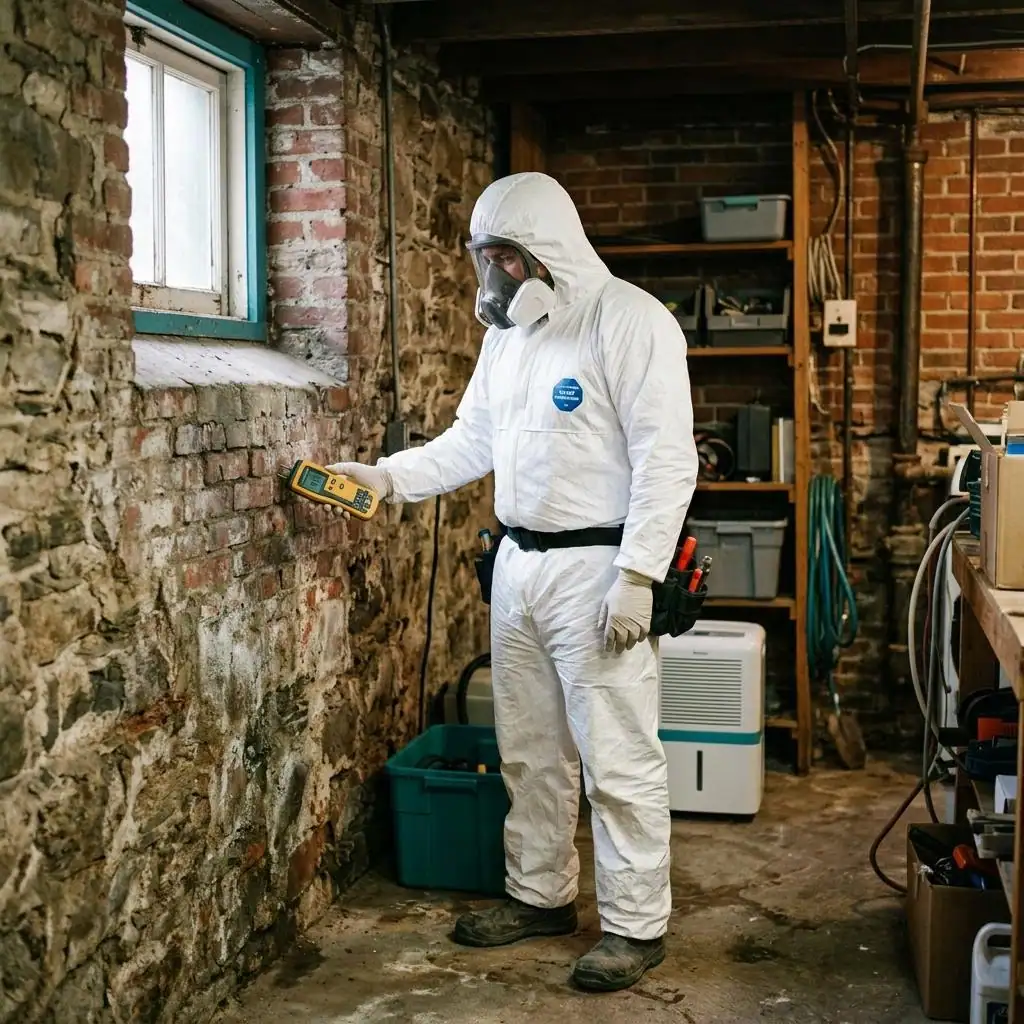
Another frequent source is the HVAC system. If the air conditioner or furnace has a condensate pan that is not draining properly, or if the ductwork has a leak, the whole system can become a mold farm. Every time the system runs, it blows spores and that musty smell throughout the house. That is why HVAC inspection and cleaning should be part of any serious remediation plan.
The Tools That Actually Work
When I walk into a job, I bring a few key tools. A dehumidifier is almost always necessary in a damp basement or crawlspace. Keeping relative humidity below 50 percent makes it much harder for mold to grow. For larger areas or active mold growth, I use an air scrubber with a HEPA filter. These machines pull air through a fine filter that captures mold spores, dust, and other particles. Running an air scrubber during remediation keeps spores from spreading to other parts of the house.
An ozone generator can be effective for odor removal, but it has to be used carefully. Ozone can break down the chemical compounds that cause smells, but it can also be harmful to people and pets if the space is not properly ventilated. I only use ozone generators in unoccupied spaces and never as a substitute for cleaning. White vinegar is another tool I use for light mold on hard surfaces. It is acidic enough to kill many types of mold, but it does not have the harsh fumes of bleach. Boric acid is sometimes used in crawlspaces to treat mold on wood, though it is more commonly used for pest control.
For especially stubborn cases, I have called in Mold Inspection Consultants to do a full assessment. They use moisture meters and thermal imaging to find hidden leaks and calculate the extent of the problem. A professional inspection can save a lot of guesswork and ensure that the remediation is thorough.
When the Problem Is in the Walls
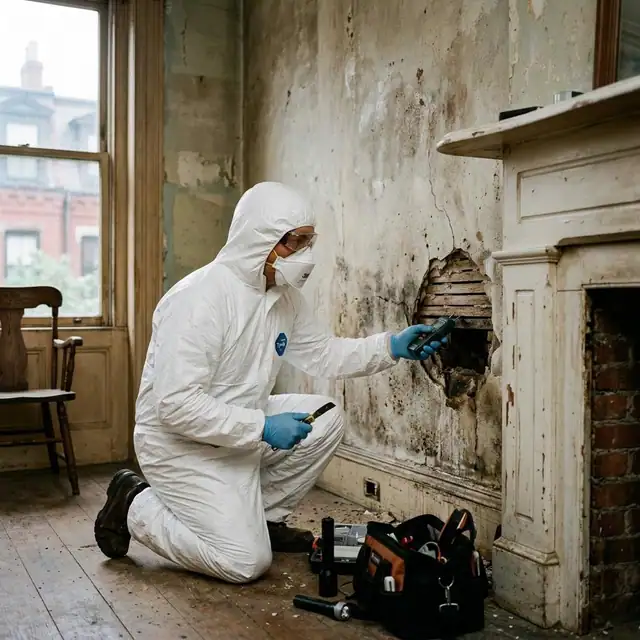
Sometimes the musty smell is coming from inside the walls. This is a tougher problem because you cannot just wipe it away. If drywall has been wet for a long time, it often needs to be cut out and replaced. The same goes for insulation. I have seen cases where a slow pipe leak inside a wall went unnoticed for months, and by the time the smell became obvious, the mold had spread across several stud cavities. Black mold, which is a common term for Stachybotrys chartarum, can grow in these hidden spaces. It is not the most common mold, but it is one that produces strong mycotoxins, and it is often linked to asthma and respiratory issues.
The EPA has published guidelines for mold remediation, and they recommend that any area larger than about 10 square feet should be handled by a professional. That is not just a suggestion. Disturbing a large mold colony without proper containment can release a huge number of spores into the air, making the problem much worse. For homeowners, the safest approach is to address small spots early, before they become big problems.
The Link Between Mold and Health
The health effects of mold exposure are real and well-documented. For people with asthma, mold spores can be a powerful trigger. Even for people without asthma, prolonged exposure can cause coughing, wheezing, and throat irritation. The musty smell itself is not the direct cause, but it is a reliable indicator that the air quality is compromised. Children, elderly people, and anyone with a compromised immune system are especially vulnerable.
That is why musty smell remediation is not just about comfort. It is about protecting the people who live in the space. I have worked with families where one person had chronic sinus infections that cleared up almost immediately after we removed a mold problem from their bedroom wall. Those are the cases that remind me why this work matters.
How to Prevent the Smell from Coming Back
Once the mold is gone and the smell has cleared, the next step is prevention. The most important thing is to control humidity. A dehumidifier in the basement or crawlspace should be set to run whenever the humidity rises above 50 percent. Make sure the unit is the right size for the space and that it drains properly. I have seen too many dehumidifiers that just dump water back onto the floor because the hose was kinked or the drain pan was full.
Ventilation is also key. Crawlspace vents should be open in the summer and closed in the winter, depending on the climate. In Boston, that means keeping them open during the humid months to allow air movement, and closing them in the winter to prevent cold pipes from sweating. Bathroom exhaust fans should be run during and after showers, and kitchen vents should be used when cooking. These small habits make a big difference over time.
If you have had a mold problem in the past, it is worth checking for lead paint before you start any sanding or demolition. Older homes in Boston often have lead paint layers, and disturbing them without proper precautions can create a separate health hazard. A simple test kit from a hardware store can tell you if lead is present.
When to Call a Professional
Not every musty smell requires a full remediation crew. If the problem is small, like a patch of mold on a bathroom ceiling, you can often handle it yourself with white vinegar or a product like Concrobium. But if the smell is persistent, if you see black mold, or if the area of visible mold is larger than a few square feet, it is time to call someone with experience.
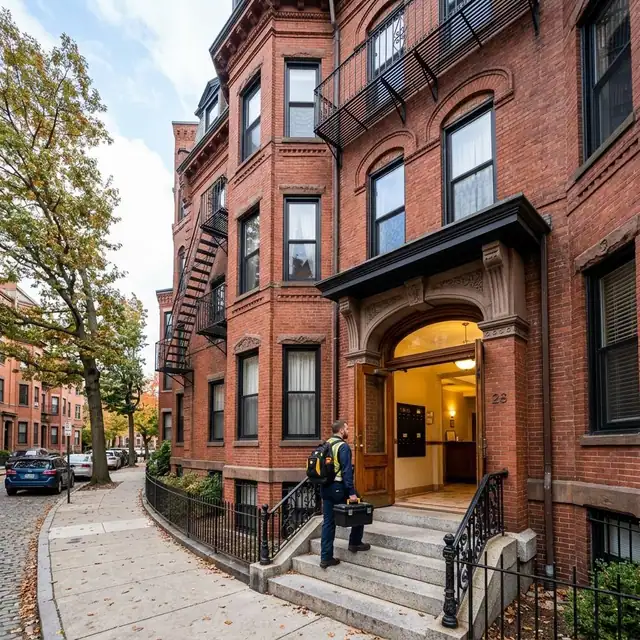
A professional will have the right tools, including HEPA-filtered air scrubbers, moisture meters, and industrial-grade cleaning products. They will also know how to contain the area so that spores do not spread. And they can identify problems that a homeowner might miss, like a slow leak behind a wall or a crawlspace that is drawing moisture from the ground.
In the end, musty smell remediation is about more than just making a room smell better. It is about finding the moisture source, removing the mold safely, and taking steps to keep it from coming back. That takes time, the right tools, and a willingness to look beyond the surface. But the result is a home that is healthier, more comfortable, and free of that nagging odor that never quite goes away.